Landlord or Tenant? Questions to Ask About Who Pays
Concoct team
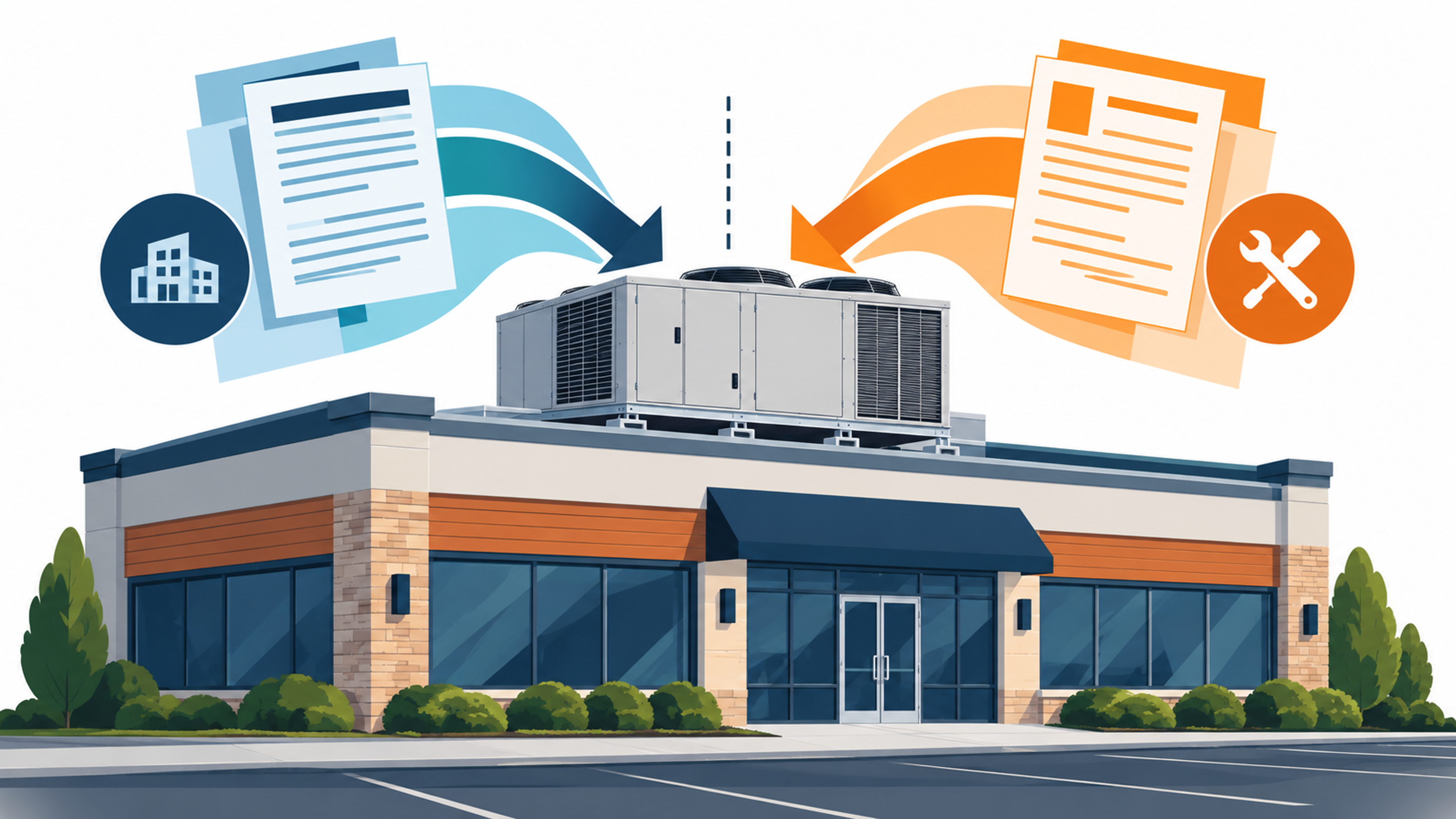
It is a Tuesday morning and the rooftop unit at store nine has stopped. The dining room is warm, the staff are sweating, and your manager is on the phone asking whether to call the HVAC company or the landlord. You are not sure either. Landlord tenant maintenance responsibilities are the clause nobody reads until a repair bill lands, and then the clock runs while two parties point at each other.
This post is a list of questions to ask, not an answer. Every lease is different, and this is not legal advice. Read your own lease, and ask a lawyer when real money is at stake.
Why this goes wrong in multi-unit portfolios
One site, one lease, one owner who remembers the deal. That works. At eight or fifteen sites it stops working, for predictable reasons:
- Leases were signed years apart, often by different people, with different landlords.
- Franchise agreements add their own standards on top of the lease.
- Managers change. The person who knew "the landlord handles the roof" left in March.
- Sites were taken over or assigned, and the original terms live in a drawer somewhere.
So the same failed compressor is the landlord's problem at one store and yours at the next. Nobody can answer from memory.
Landlord tenant maintenance responsibilities: questions for each lease
Go through these for each site. Write the answers down in one place, even if some answers are "unclear, ask counsel."
Who owns and maintains each major system?
Look for the actual words used for the roof, structure, parking lot, plumbing, electrical, HVAC, grease trap and exterior lighting. Many leases split these up. A common pattern is that the landlord covers structure and roof while the tenant covers everything inside the premises, but treat that as a pattern to check, not a rule.
Is it repair, replacement, or both?
This is the one that costs people. A lease may make you responsible for "maintenance and repair" without saying who pays when a unit reaches end of life and needs replacing. Ask:
- Does the tenant's duty stop at repair?
- Is there a dollar threshold above which the landlord pays, or shares the cost?
- Can the cost of a replacement be spread over its useful life and charged back to you?
What gets passed through in common area charges?
If you pay CAM or operating cost charges, find out what is included. Ask whether parking lot repairs, roof work, or shared systems are billed back to you, and whether you can ask to see the supporting invoices. Ask when the annual reconciliation happens and who checks it.
Do you need approval before you spend?
Some leases require written landlord consent for work on the building, especially roofs, structure, or anything that touches the exterior. Others require that you use specific contractors. Skipping that step can turn a repair you were entitled to claim into one you are stuck with.
How fast must each side act, and how is notice given?
Find the notice clause. Ask:
- Is notice written, and to whom does it go?
- Does email count, or only a letter to a named address?
- Does the landlord have a stated period to respond before you can act yourself?
- Can you fix an emergency first and send the bill after?
If a freezer is failing, you do not have time to find this out. Know it before.
What does your insurer expect?
Ask your insurer and broker what they require for maintenance records on key equipment, and whether lease terms affect coverage. Check with them rather than assuming.
What happens at the end of the term?
Ask about restoration, return condition, and who owns improvements and equipment you installed. Equipment you paid for may or may not stay with the space. Check.
Write it down once, by site
The output of all this should be one short summary per location, kept where a manager can reach it at 9pm. Something like this works:
- Landlord's name and contact, and the notice address.
- Systems the landlord handles, systems you handle, and the unclear ones.
- Any dollar thresholds or consent requirements.
- The lease page numbers, so you can point to the clause.
The unclear items are the useful ones. Those are the items to raise with the landlord in calm weather, not during an outage.
Your franchise agreement may add its own equipment and condition standards. Read it next to the lease, and check with your franchisor on anything that overlaps.
Where software helps, and where it does not
Concoct does not read leases, interpret them, or tell you who is liable. It will not replace a lawyer.
What it can do is hold the records that make the argument easier. Equipment records carry make, model, serial number and install date, so you can show how old that rooftop unit is. Work orders keep a dated history of what broke, who attended and what they found. When a landlord disputes a charge, a dated timeline beats a memory. For a starting point for what to log per site, see our maintenance checklist, and for keeping all sites in one place, how franchise operators manage maintenance across locations.
Landlord contacts and consent still need your own process. Concoct has no configurable approval rules, so "get landlord consent first" is a habit your team follows, not something the software enforces. Dispatching to a contractor is done by your owner, operations manager or dispatcher, and the vendor gets an emailed link with no account to create; see managing vendors who refuse to log in.
Ready to try it on your sites
Pricing is per location, with unlimited users, and it is published on the pricing page. If you want to see how work order history and equipment records would look across your own sites, book a demo and we will walk through the records side. The legal side stays with your lawyer.
FAQ
Is the landlord or the tenant usually responsible for the roof and HVAC?
It varies, and some leases split it by repair versus replacement. A common arrangement is that the landlord handles the roof and structure and the tenant handles interior systems, but common is not guaranteed. Read the clause for each site and ask counsel if the wording is unclear.
What should I do first when a major system fails and I am not sure who pays?
Deal with safety and food loss first, then give notice the way your lease requires. Document the failure with photos, dates and who you called. Check whether the lease lets you act in an emergency and claim the cost afterward.
Can I just fix it and send the landlord the bill?
Only if your lease allows it. Some require notice and a waiting period, and some require consent for work on the building. Acting without following the notice clause can leave you paying. Confirm with your lawyer before relying on it.
How do I keep track of leases across many sites?
Keep one short summary per site, with the notice address, the system split, any thresholds and the clause page numbers. Review them when a lease renews. Equipment and repair history should sit alongside, so you can show age and past work.
Does Concoct tell me who is responsible for a repair?
No. It does not interpret leases or give legal advice. It keeps equipment records and a dated work order history that you can use when you discuss a repair with your landlord, insurer or counsel.